

100 Traits of Envious Toxic Person
Sunday, September 7

 How Envious People Think, Speak, and Act... Their Subtle Moves The Darker Patterns How They Relate to You More Masks of Envy Their Emotional Signs The Final Faces of Envy
Mom Guilt and Emotional Triggers: What It’s Like Living with BPD
Tuesday, July 29
Being a mom is already a full-time emotional rollercoaster. Add Borderline Personality Disorder (BPD) to the mix, and it can feel like you’re constantly fighting to stay afloat—mentally, emotionally, and even spiritually. For many moms living with BPD, the daily challenges are intensified by deep feelings of guilt, overwhelming emotional triggers, and a fear of not being "enough" for their children.

As Filipino moms, we’re often raised with the mindset of self-sacrifice, putting family first, and always being the strong one. But what happens when your mind feels like it’s working against you? When you're silently battling emotional dysregulation while trying to raise kids with love and stability? This is the reality of many moms living with BPD.
What is Borderline Personality Disorder?
Borderline Personality Disorder (BPD) is a mental health condition marked by intense emotional instability, impulsivity, fear of abandonment, and difficulties in maintaining relationships. People with BPD often experience mood swings, chronic feelings of emptiness, and a distorted self-image.
For moms, this often means:
- Feeling emotionally overwhelmed by parenting demands
- Intense guilt after losing patience or snapping at their children
- Difficulty regulating emotions during everyday stressors
- Fear that they’re damaging their kids or being “bad moms”
- Struggling to balance self-care with motherhood
Let’s take a deeper look at how this manifests in real life—and how we can start breaking the stigma around it, especially in the Philippine context.
The Heavy Weight of Mom Guilt
Every mom feels guilt from time to time. But for a mom with BPD, guilt can become all-consuming. Something as small as forgetting a school task or raising your voice can spiral into intense self-hatred.
You may hear thoughts like
“I’m the worst mom ever.”
“My kids would be better off without me.”
“I’ve failed them again.”
These thoughts aren’t just passing feelings—they feel like facts when you’re struggling with BPD. And since BPD often involves a harsh inner critic, these negative thoughts can linger for hours or days.
In Filipino culture, there’s added pressure to be a "martir" nanay—a mom who gives everything, never complains, and always does things right. This unrealistic expectation only fuels the guilt when you feel like you’ve fallen short.

Common Emotional Triggers for Moms with BPD
1. Tantrums and Chaos
A toddler’s meltdown can be emotionally overwhelming for any parent. But for a mom with BPD, it can feel like personal rejection or failure. The noise, the screaming, the defiance—it can all trigger intense frustration or even rage.
2. Feeling Ignored or Unappreciated
Being overlooked or feeling invisible can trigger deep abandonment wounds. Something as simple as your partner or child not thanking you or acknowledging your efforts can feel like betrayal.
3. Conflict with Your Spouse or Family
Filipino family life is deeply intertwined. But when conflicts arise—especially in extended family situations—it can lead to emotional spirals. For someone with BPD, the fear of losing someone or being “left behind” is amplified.
4. Social Media Comparisons
Seeing “perfect” moms online can trigger intense feelings of inadequacy. When you’re already doubting yourself, it’s easy to fall into a shame spiral from comparing your real, messy life to someone’s highlight reel.
The Battle Between Love and Instability
Moms with BPD love their children deeply. Many go out of their way to provide love, care, and stability. But when emotional triggers hit, it can feel like love and dysregulation are in constant conflict.
You may find yourself:
Going from joyful to angry in seconds
Crying in the bathroom because you feel like a failure
Overcompensating with gifts or affection after an outburst
Apologizing repeatedly and feeling ashamed
This emotional tug-of-war can be exhausting and heartbreaking.
Raising Awareness and Breaking the Stigma in the Philippines
In the Philippines, mental health is still a taboo topic in many families. BPD is often misunderstood, mislabeled, or dismissed entirely. People may say:
"Ganyan lang ‘yan, emotional lang talaga siya."
"Drama lang ‘yan, arte mo masyado."
"Wala ‘yan, isipin mo nalang pamilya mo."
These comments are harmful and prevent many moms from seeking the help they need. That’s why raising awareness about BPD among Filipino families is crucial. It’s not just “being dramatic.” It’s a mental health condition that deserves compassion and professional support.
What Can Moms with BPD Do?
1. Seek Professional Help
Therapy, especially Dialectical Behavior Therapy (DBT), can be life-changing. In the Philippines, more psychologists and counselors are becoming accessible via online sessions. Don’t be afraid to reach out.
2. Join Support Communities
Online support groups for moms with BPD or mental health challenges can be a safe space to share, vent, and find encouragement. You are not alone.
3. Use Grounding Techniques
When you feel triggered, try grounding exercises:
- 5-4-3-2-1 Sensory Method
- Deep breathing (inhale 4, hold 4, exhale 4)
- Journaling or art
Stepping outside for sunlight and fresh air
4. Practice Self-Compassion
Speak to yourself the way you’d speak to a hurting child. Remind yourself:
“I’m doing my best with the tools I have.”
“I am allowed to have bad days. It doesn’t mean I’m a bad mom.”
“Healing takes time. And that’s okay.”
If you’re reading this and feel like you’re drowning in guilt, shame, or confusion, please know this: you are not broken. You are not alone. You are still a good mom.
)%20(6).png)
Your love for your children, your awareness of your struggles, and your willingness to fight through the chaos every day are already proof of your strength. Healing doesn’t happen overnight, but every small step counts.
Let’s start normalizing conversations around BPD and other mental health challenges in motherhood. Let’s create spaces where moms can speak freely, receive help, and raise their children with love—even amid emotional storms.
ALSO READ: How to Raise Teens as a First-Time Teenage Mom
Resources for Filipina Moms with BPD
National Center for Mental Health (NCMH) Crisis Hotline: 1553 or 0917-899-USAP
MentalHealthPH: https://mentalhealthph.org
BetterHelp or MindNation (for online therapy)
Facebook support groups like “Mental Health Support Philippines” or “BPD Support Group PH”
Have you or someone you love experienced BPD as a mom? Share your story, thoughts, or questions in the comments. Let’s build a community of compassion and healing.
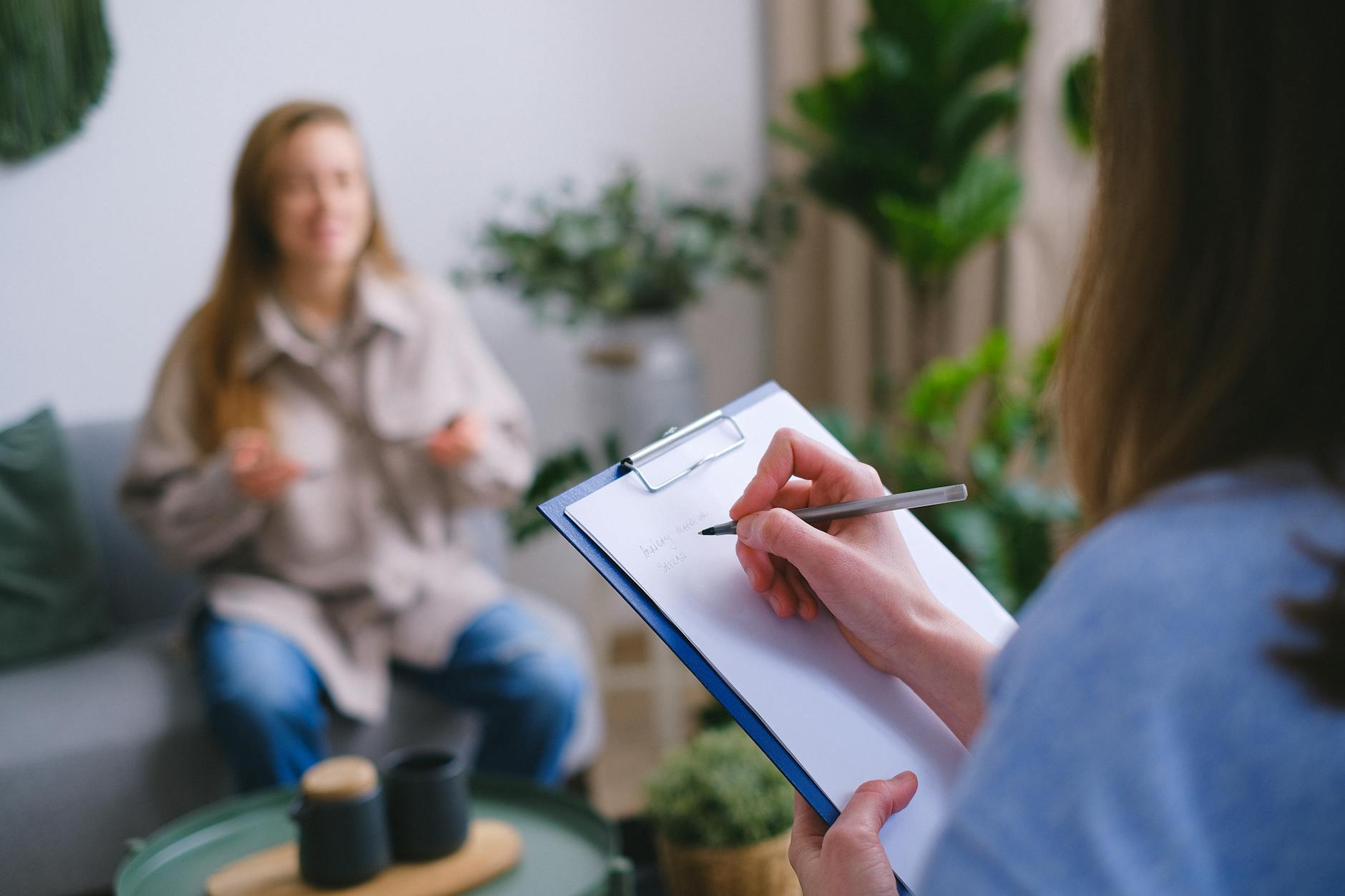
Coping with trauma: ‘You are not alone; we are all in this together’
Wednesday, July 7
Going through deeply distressing events such as forced isolation, losing a loved one, physical and verbal abuse, natural disasters, and other extraordinary experiences shatters our sense of security. These may leave us struggling with emotions that have long-term physical and mental effects on leading to trauma.
Recovering from trauma may take a while, but Dr. Gina A. Alfonso, Founder and Clinical Director of MAGIS Creative Spaces, assured those suffering from stressful circumstances that “You are not alone. We are all in this together.”
Dr. Alfonso, a mental health clinician, who also experienced trauma herself in the past, was the resource speaker at Globe and the Department of Education (DepEd)’s TAYO! Naman! (Tulong, Alaga, Yakap at Oras para sa mga Tagapagtaguyod ng Edukasyon) webinar Episode 5: Healing from Past Hurts and Traumas.
During the webinar, Dr. Alfonso enlightened teachers and non-teaching personnel about trauma - what it is, how one responds to it, how it affects the brain, and different ways to recover from trauma.
“What happens with trauma is sometimes we think it is just stored in our brain, but it is actually absorbed in our body. It affects our nervous system. Our nervous system goes on hyper-alert. We are experiencing life like it’s not safe. Everywhere we go, we feel like there’s danger kahit wala. That’s because our nervous system was affected by the incident. Ang importante is to be really aware. Ano kaya ang dahilan. Ano kaya ang practices na pwede kong gawin para ‘yung stress ng trauma mawala? It’s really about learning more about the nervous system,” Dr. Alfonso said.
 |
(Upper boxes) from L-R · Raffy Berina Teacher 3 EB Magalona National High School ·Dr. Gina A. Alfonso Founder and Clinical Director MAGIS Creative Spaces · Loje E. Lingco Teacher 1 Pandan Elementary School Pontevedra 2 (Lower boxes) from L-R · Riezel Jane Batayola Sosas ADAS 3 Division Office of Negros Occidental · Cinderella F. Diancin Teacher 1 Minoyan Elementary School · Angelito Gumawa Yanson jr. Teacher 1 A. Maranon Elementary School |
While everyone has their own traumatic experiences, she noted that these have different effects on each individual. Some people recover fast, and some do not.
“We are all experiencing distress differently. What is most critical in our healing process is self-compassion and kindness towards ourselves and others, and a lot of patience—realizing that we are not alone. We can learn from others and their journeys. And that if we take care of ourselves, we will be better equipped to care for others,” she said.
During the ensuing panel discussion facilitated by Raffy Berina from EB Magalona National High School, Dr. Alfonso mentioned that trauma could also affect one’s cognitive ability. If a student is going through trauma, educators can help by practicing a socio-emotional approach. Self-compassion, kindness, and patience towards oneself and others are crucial to recovering from trauma.
“One of the things that is important when working with people who have had traumatic incident is to hold judgment and be compassionate. Second is to let them know nandito lang ako. Sometimes we don't need to give solutions,” she said.
The speaker left the audience with the ABCD of trauma to guide them in coping with it.
A - Ask for help from somebody you trust to build a strong support system.
B - Body doesn't lie. If your body needs something, pay attention. Remember that our body and brain can heal.
C - Compassion and patience to ourselves, our loved ones, and those we are working with are key to healing.
D - Dance. Move. Engage in the arts and play. These are the best way to self-regulate, and when you’re consistent, you will see you're on your way to recovery.
E - Every micro-step we make towards healing is important and worth celebrating.
TAYO Naman! is an online Mental Health and Psychosocial Support program designed to help teachers, non-teaching personnel, and parents learn about self-care, wellness, and resiliency.
The 14-part webinar series is led by the DepEd Disaster Risk Reduction Management Services (DepEd-DRRMS) and the Bureau of Human Resource and Organizational Development-Employee Welfare Division (BHROD-EWD) in collaboration with Globe’s Global Filipino Teachers Series on Psychosocial Support Services, Philippine Mental Health Association and Magis Creative Spaces.
The latest webinar featured panelists from the DepEd Division of Negros Occidental, namely, Angelito Yanson Jr. from Maranon Elementary School, Cinderella Diansin from Minoyan Elementary School, Loje Lingco from Pandan Elementary School, and Riezel Jan Sosas from the Division Office of Negros Occidental,
The next episode on June 25 will be about “Resilience through Positive Psychology: Emerging and Keeping up from Adversities,” to be spearheaded by the DepEd Nueva Ecija Division.
The webinars are held every Friday until August 20 from 8:30 to 10:00 am and streamed live on DepED Philippines, Deped DRRMS, and Globe Bridgecom.
Globe strongly supports the United Nations Sustainable Development Goals such as UN SGD No. 3 on good health and well-being and UN SDG No. 4 on inclusive and equitable quality education for all. The company is also committed to supporting the 10 United Nations Global Compact principles.
To learn more about how to create a #GlobeofGood, visit www.globe.com.ph/about-us/sustainability.html.




.png)


Social Icons